
Medically reviewed by Lyall Gorenstein, MD, board-certified thoracic surgeon and Director of the Center for Hyperhidrosis at Columbia University Medical Center. Last reviewed: 11/16/2026
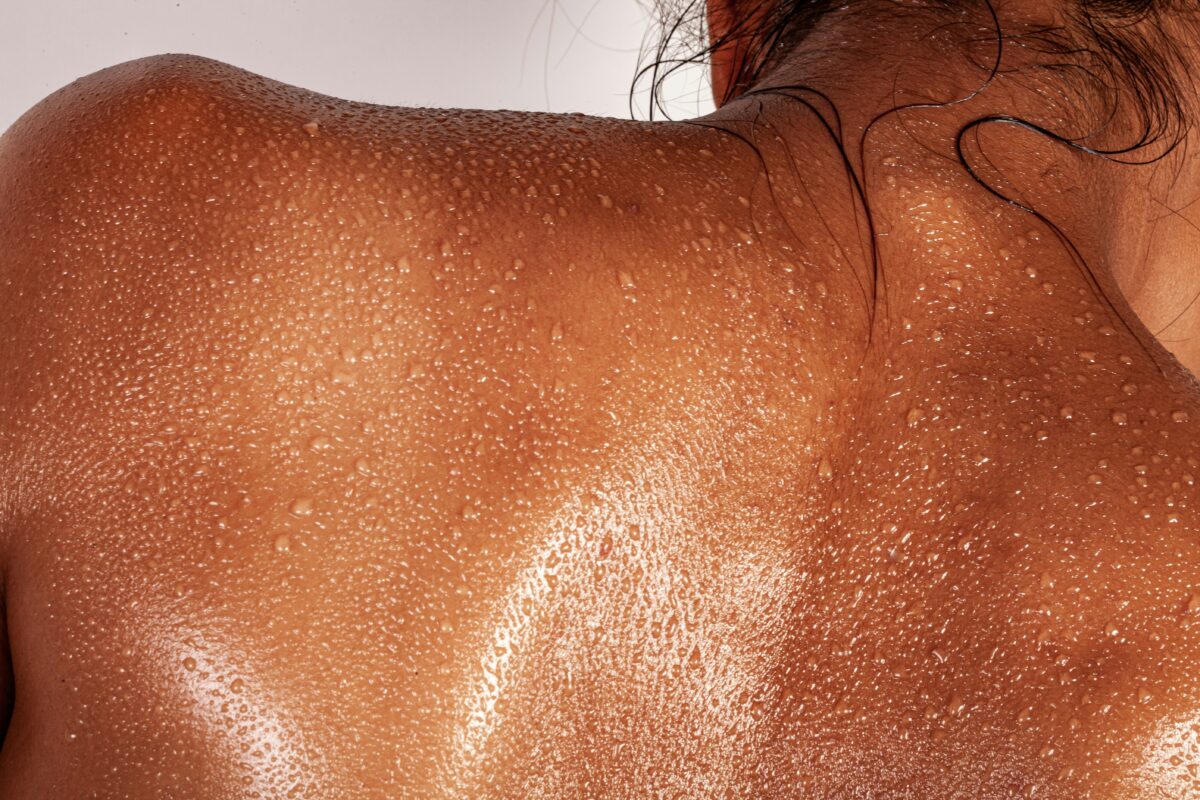
Compensatory sweating is new or increased sweating on the back, chest, abdomen or thighs after endoscopic thoracic sympathectomy (ETS). It is the most common side effect of the surgery. Dr. Gorenstein tells patients there is a 60 to 80% chance of some compensatory sweating, but how much, and whether it bothers you, depends heavily on how the surgery is done and on who is chosen for it.
If you are considering ETS for sweaty hands or facial blushing, this is the side effect to understand before anything else. Here is what causes it, how often it is mild versus severe, and what lowers your risk.
What is compensatory sweating?
After ETS, the hands (or face) stop sweating because the nerve signals that drive those sweat glands have been interrupted. Most people then notice that other areas, usually the trunk and thighs, sweat more than they did before. Doctors call this compensatory or reflex sweating.
For most patients it shows up on hot days, during exercise, or in warm rooms. For a smaller group it is heavy enough to soak through clothing. That difference between mild and severe is the most important thing to understand.
Why does it happen?
Sweating is how your body releases heat. The sympathetic nerve chain, which runs along the spine inside the chest, carries the signals that switch sweat glands on. ETS interrupts that chain at a chosen level so the signal no longer reaches the hands or face.
Your body still needs to cool itself, and it still produces the signal to sweat. With the hands and face out of the circuit, the signal is expressed in areas below the level of the surgery. The exact mechanism is still debated, and researchers believe the body’s feedback loop for temperature control also plays a part, which helps explain why the level and extent of surgery matter so much.
How common is it, and how bad does it get?
Published rates of compensatory sweating range widely, from under half of patients to nearly all of them. The spread comes from three things:
- How studies define it. Some count any increase in trunk sweating. Others count only sweating that patients find bothersome.
- How the surgery was done. Older techniques that cut the chain at several levels, or higher up, produced more compensatory sweating than today’s limited approaches.
- Who had surgery. Patients operated on mainly for underarm sweating, or with a high body mass index, tend to report more.
At our center, Dr. Gorenstein quotes a 60 to 80% probability of some compensatory sweating. In most of those patients it is mild to moderate and noticeable mainly in heat or with exercise. Severe compensatory sweating that interferes with daily life is much less common, and choosing the right technique and the right candidates is how we keep it that way. More than 98% of our patients report that ETS dramatically improved their lives.
Talk with Dr. Gorenstein about your risk before you decide. A virtual first consultation is available for patients outside New York.
What lowers the risk
The level treated
For sweaty hands, Dr. Gorenstein performs ETS at the T3 level, a limited approach that treats the hands while reducing the chance of heavy compensatory sweating. Higher levels (T2) are used for facial blushing and carry a higher risk, which is one reason blushing patients are screened carefully. Treating several levels at once increases the risk further.
Patient selection
The patients who do best after ETS have severe palmar hyperhidrosis (sweaty hands) or facial sweating or blushing that has not responded to other treatment. Patients whose main problem is underarm sweating usually do better with non-surgical options such as miraDry or Botox, because ETS improves the underarms less reliably and the trade-off is harder to justify.
Other factors we discuss at your consultation include your body weight, the climate you live in, your job and how much of your day is spent in heat.
Trying other treatments first
We believe all medical therapies should be tried before surgery. Antiperspirants, iontophoresis, Botox and oral medication help many patients enough that they never need ETS. Patients who still want surgery afterward come in with realistic expectations.
Where it shows up and what triggers it
Compensatory sweating usually appears on the back, chest, abdomen, buttocks and thighs. It tends to be strongest:
- in hot, humid weather
- during exercise
- after hot drinks or spicy food
- in the first months after surgery, before it often settles
Some patients find it eases over the first year, but this varies, and for many people it persists.
Managing compensatory sweating
If you do develop compensatory sweating, several measures help:
- Clothing: moisture-wicking fabrics, light layers and darker colors that hide damp patches.
- Oral medication: anticholinergic drugs such as glycopyrrolate reduce sweating throughout the body. Because they also limit your ability to cool down, ask your doctor how to use them safely in hot weather and during exercise. Learn more on our hyperhidrosis medication page.
- Botox: useful for a limited, bothersome area.
- Topical antiperspirant: clinical-strength products can be used on the trunk.
- Cooling: keeping rooms cool and avoiding known triggers.
Can compensatory sweating be reversed?
Dr. Gorenstein clips the nerve rather than cutting it, so the clips can be removed in a second operation. Evidence on reversal comes from small reports, and our center’s estimate is roughly a 50% chance of improvement. It is not a reliable fix. Reversal also tends to bring the original hand sweating back. We see patients whose ETS was done elsewhere and can review whether reversal is an option. Read more about ETS reversal.
Because reversal is uncertain, the best approach is to plan carefully before the first surgery.
Traveling for treatment? Patients come to Columbia from across the country for ETS. Your first consultation is virtual, insurance is handled before you travel, and follow-up is virtual. Contact us to plan your visit.
Columbia’s approach to ETS
Dr. Gorenstein is a board-certified thoracic surgeon and Director of Minimally Invasive Thoracic Surgery at Columbia University Medical Center, and he has performed more than 1,000 ETS procedures. Several choices in how he performs ETS are aimed at limiting compensatory sweating:
- Treating a single level, T3 for the hands, rather than several levels, and clipping the nerve rather than cutting it.
- Reserving ETS for patients with severe hand or facial symptoms who have already tried other treatments.
- Discussing compensatory sweating openly at the first visit, so you can weigh it against the benefit of dry hands.
- Following up after surgery, including by video for patients who traveled, to help manage any compensatory sweating early.
Most patients go home a few hours after surgery and return to regular activity within days. Read more about what to expect in our guide to ETS recovery and side effects.
Questions to ask before ETS
Whoever performs your surgery, ask about compensatory sweating before you agree to it:
- How many ETS procedures have you performed?
- Which level will you treat for my symptoms, and why?
- How often do your patients develop compensatory sweating, and how often is it severe?
- Do you clip or divide the nerve, and what does that mean if I want a reversal later?
- What would you suggest if I develop compensatory sweating after surgery?
- Does my main problem area (hands, face or underarms) make ETS a good choice for me?
If the answers are vague, or compensatory sweating isn’t discussed at all, get a second opinion before you schedule surgery.
Frequently asked questions
Does everyone get compensatory sweating after ETS?
No, but most patients notice some. Dr. Gorenstein quotes a 60 to 80% chance, usually mild to moderate. Severe compensatory sweating is much less common.
Does compensatory sweating improve over time?
For some patients it eases over the first months, but it often persists, and there’s no reliable way to predict which will happen.
Is compensatory sweating worse in hot climates?
Yes. Heat is the main trigger, so people who live in hot, humid places or work outdoors tend to notice it more. We take this into account when deciding whether ETS is right for you.
Can I know my risk before surgery?
No one can predict it exactly, but your consultation will cover the factors that raise or lower your risk, including which area you want treated, your body weight and your daily environment.
Is compensatory sweating dangerous?
It isn’t dangerous in itself, but severe compensatory sweating can be very disruptive, soaking through clothing and affecting work and daily life. It is the main reason some patients regret ETS, which is why we discuss it in detail before surgery. Staying hydrated in heat is important.
Ready to talk through the risks and benefits? Request a consultation with Dr. Gorenstein at the Center for Hyperhidrosis at Columbia.
